

Millets
Millets, scientifically known as various species within the genera Panicum, Setaria, Echinochloa, among others, are a group of highly variable small-seeded grasses, widely grown around the world as cereal crops or grains for fodder and human food.
They are extensively cultivated for their grain, which is used for various culinary purposes due to its nutritious and versatile nature.
Millets come in various types, each with distinct flavors and nutritional profiles, and are integral to food security in semi-arid regions of the world.
The grain is not only valued for its dietary staple status but also for its numerous health benefits, including being gluten-free and rich in fiber.
Botanical Characteristics.
1. Millet plants can vary in height, generally growing up to 4 meters, with some varieties being much shorter.
2. The leaves are generally linear or lanceolate, arranged alternately along the stem.
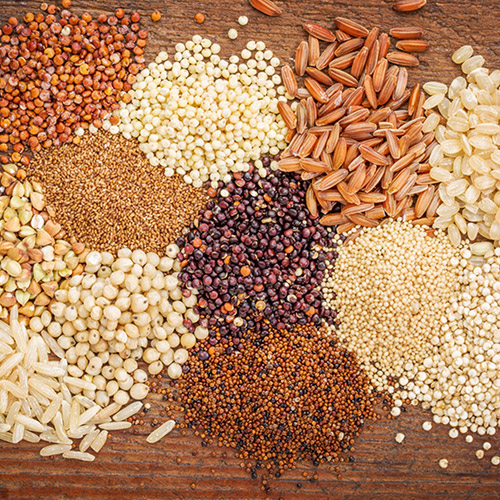
3. The grains are small and can be spherical, oval, or slightly flattened, depending on the variety.
4. Millet grains range in color from white to gray, yellow, or red.
Nutritional Profile.
1. Millets are rich in essential nutrients, including magnesium, phosphorus, manganese, and vitamins, particularly B vitamins.
2. They are also high in dietary fiber and antioxidants.
Health Benefits.
1. Immune Boost:
The high content of vitamins and minerals in millets supports the immune system and helps maintain overall health.
2. Antioxidant Properties:
Millets contain antioxidants that help combat oxidative stress and may lower the risk of various chronic diseases.
3. Digestive Health:
The high fiber content in millets aids in digestion, prevents constipation, and helps maintain a healthy gut.
4. Maintains Blood Sugar Levels:
Millets have a low glycemic index, which helps in managing blood sugar levels, beneficial for diabetics.
5. Gluten-Free:
Millets are naturally gluten-free, making them a great grain alternative for those with gluten intolerance or celiac disease.
6. Heart Health:
The magnesium in millets helps lower blood pressure and reduce the risk of heart attacks.
Forms of Consumption.
1. Enjoy millet as a cooked grain similar to quinoa or rice.
2. Add millet flour to breads, pancakes, or muffins.
3. Use millet to make porridge, which can be a hearty and nutritious breakfast.
4. Incorporate millet into salads, soups, and stews to enhance their nutritional profile.
Precautions.
1. While millets are generally safe to eat, excessive consumption may lead to thyroid issues due to their goitrogenic effect.
2. It's advisable to balance millet intake with other grains and iodine sources if you have thyroid concerns.
Conclusion.
Millets are a versatile and nutritious grain that offers a plethora of health benefits. They are an excellent choice for anyone looking to diversify their grain intake and are especially valuable for those seeking gluten-free options. With their wide range of nutrients and health benefits, millets are a fantastic addition to any diet.